

St elizabeth's
The Passionist's
The Congregation of the Passion of Jesus Christ are a Roman Catholic religious order focused promoting the memory of Christ’s Passion, emphasizing contemplation, action, and compassion in their ministry
Who are the Passionist's?
Founded in the echoes of profound spirituality and compassion, the Passionists represent a dedicated community within the Catholic Church, committed to proclaiming the message of Christ’s Passion—the suffering, death, and resurrection of Jesus. Established by St. Paul of the Cross in 1720, this religious order has grown from its humble beginnings in Italy to a global presence, deeply embedded in the fabric of numerous communities across continents.
The Passionists, formally known as the Congregation of the Passion of Jesus Christ, live their lives anchored in the memory of Christ’s Passion, believing it to be the most overwhelming manifestation of God’s love. Their mission is not merely to remember this sacrifice but to embody and share its transformative power through various ministries. These include educational endeavors, retreats, and spiritual guidance, aimed at fostering a deeper understanding and appreciation of the Passion of Christ among the faithful.
At the heart of Passionist spirituality is the integration of contemplation and action. Members of the order engage in rigorous spiritual reflection which then propels them into active ministry, addressing the needs of the most marginalized and suffering members of society. Their ministries are diverse, ranging from preaching missions, spiritual direction, and retreat facilitation to social justice initiatives and ecological advocacy, reflecting their holistic approach to the Christian message of love and sacrifice.
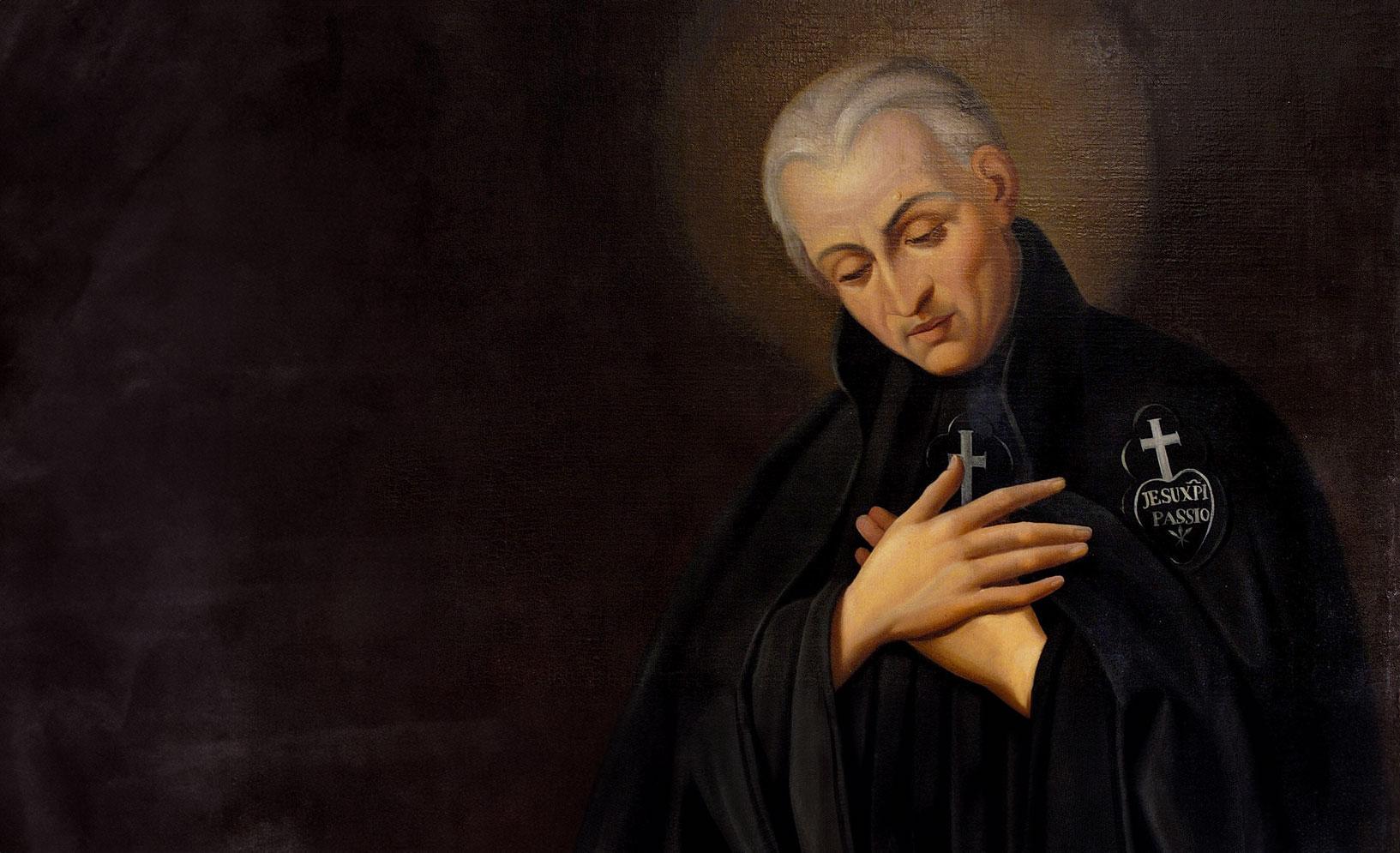
St. Paul of the Cross
St. Paul of the Cross, the founder, was a mystic who saw the Passion of Jesus as a lens through which the challenges and sufferings of all humanity could be understood and embraced with compassion. His teachings and writings laid the groundwork for what would become a passionate, enduring community of believers, dedicated to living out the implications of the Passion in various contexts around the world.
Passionists wear a distinctive sign, the “Sign of the Passion,” which features a heart above a cross, encapsulating their identity and mission. This emblem serves as a constant reminder of their life’s purpose—to bring the memory of Christ’s Passion into the lives of all they encounter. It is a symbol that captures the essence of their calling and their message, serving as a visual and spiritual touchstone for their community.
Education and formation are central to the life of a Passionist, with members undergoing extensive theological and spiritual training to deepen their understanding of the faith and enhance their ability to serve others effectively. Their educational programs are not confined to their own members but extend to the laity, involving them in the rich spiritual heritage of the Passionist movement.
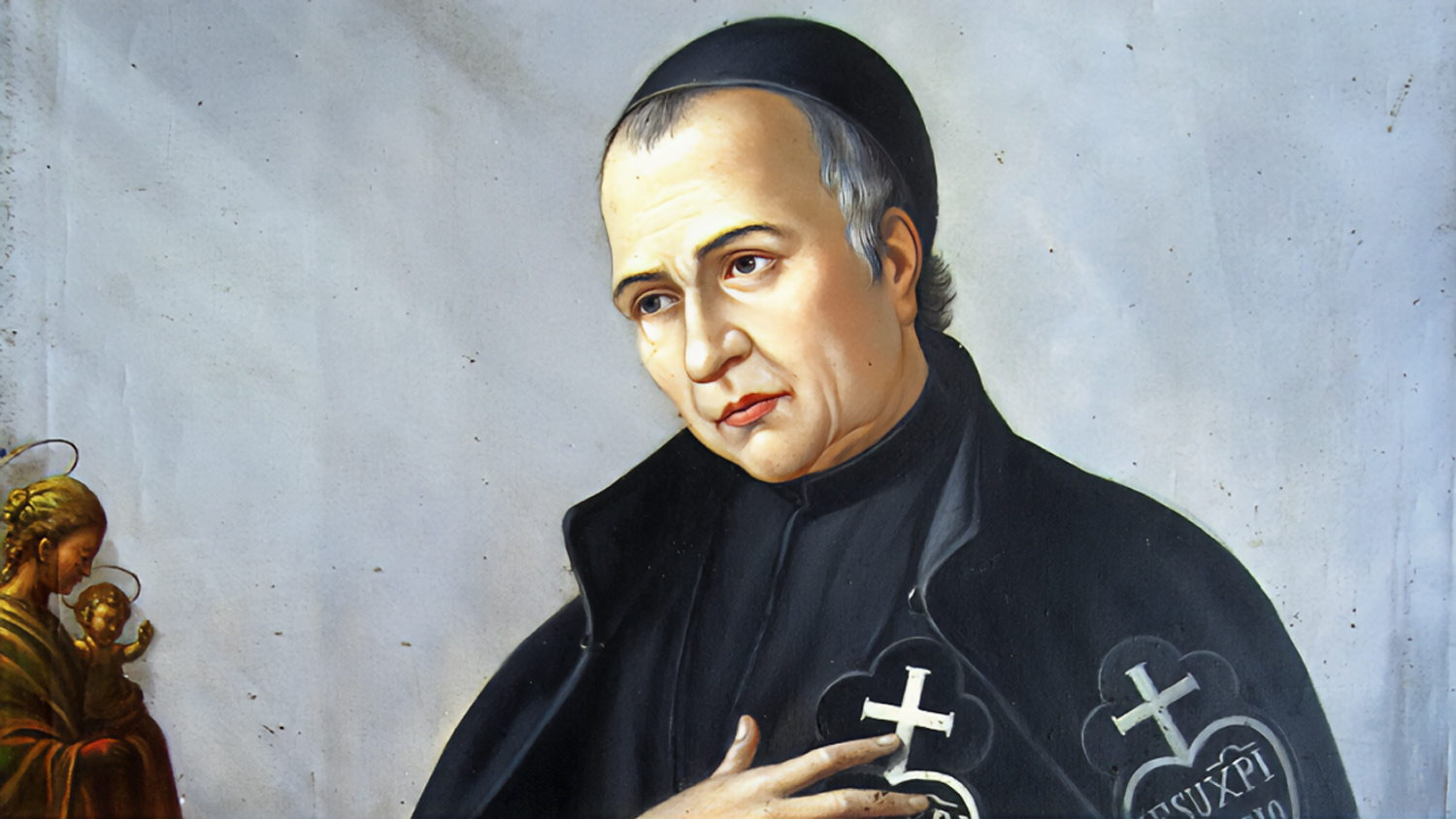
Blessed Dominic Barberi
Dominic Barberi was born into an impoverished family of Italian farmers in 1792 and was orphaned at the tender age of eight. He was subsequently raised by his uncle and aunt in the small town of Merlano. Rather than receiving a formal education, Dominic was tasked with shepherding sheep. Despite these humble beginnings, he consistently found time for prayer and self-education, learning to read and write independently.
When Napoleon Bonaparte mandated the closure of religious establishments across Italy, Dominic came into contact with several Passionists who were living in exile near his town. It was during this period that he felt a divine calling to join the Passionists and envisioned a future mission to England. Although he initially forgot a vow made to God to join the order if he avoided the draft, and nearly entered into an arranged marriage, Dominic ultimately escaped to enter the Passionist monastery in Vetralla. He was ordained in Rome on the 1st of March 1821.
His longing to serve in England finally materialised in 1840 after he was appointed as a delegate to the General Chapter, paving the way for missionary work in England. Before his departure, he established the first Passionist monastery outside of Italy in Ere, Belgium, which served as a stepping stone for the mission to England.
Upon arriving in England, Dominic founded the first Passionist residence at Aston Hall in Staffordshire. One of his early significant achievements was facilitating the conversion of the well-known Anglican, John Henry Newman, to Catholicism in 1842—an event Dominic considered a profound vindication of his efforts. Despite the challenges of fostering vocations in England, he found solace in the support of Father George Spencer, a convert who became a Passionist and provided great comfort to Dominic.
Tragically, Dominic’s life was cut short in August 1849 when he fell critically ill on a train journey from London. Unable to find accommodation at a small station, he was put back on the train to Reading where he succumbed to a heart attack at three o’clock in the afternoon on the 27th of August.
Dominic was beatified by Pope Paul VI in 1963. His legacy continues to inspire the Passionists, particularly in their commitment to ecumenism, a central aspect of their identity reaffirmed during the Second Vatican Council’s call for renewal and engagement in ecumenical ministries.
Prayer for the Canonisation of Blessed Dominic
O God, who so lovingly raised Blessed Dominic
to the heights of holiness, learning and apostolic zeal
and made him a powerful minister of your mercy,
listen to our humble request.
We pray that you will in your goodness,
grant a miracle through the intercession of Blessed Dominic,
so that the Church may further honour him on earth
and that many more people will come to know
and invoke the help of this faithful servant of the Church.
We ask this through Christ Our Lord. Amen.
Mary, Mother of Holy Hope, Pray for Us.
Saint John Henry Newman, Pray for Us.
Blessed Dominic Barberi, Pray for Us.
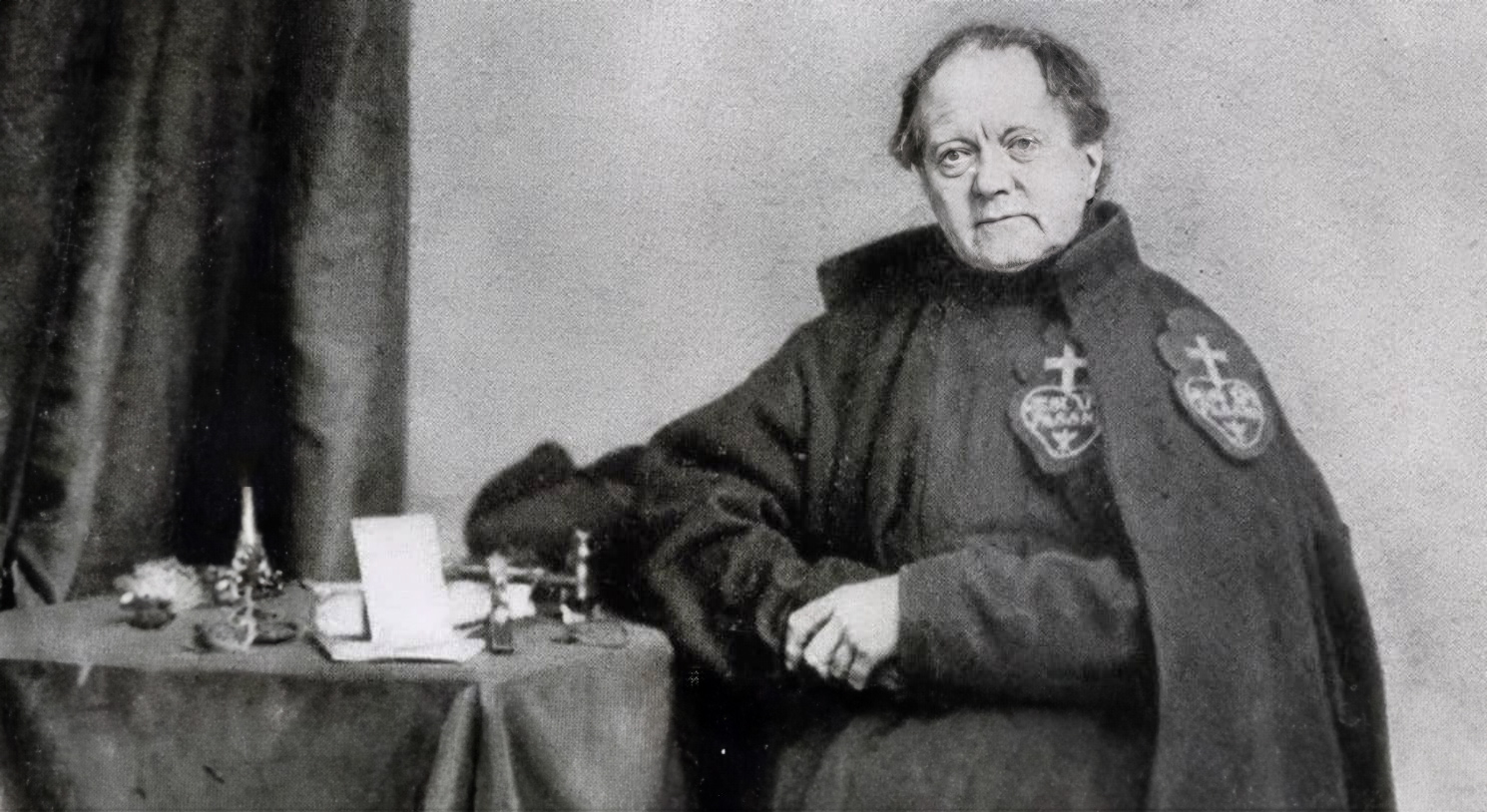
Fr Ignatius Spencer CP
Ignatius Spencer was born in 1799 into an illustrious and affluent English family, owning several prominent estates including Althorp House, where Princess Diana is buried, and Spencer House near Buckingham Palace. His education at Eton and Trinity College, Cambridge, paved the way for ordination in the Church of England, where he served as a parish priest on the Althorp estate. Despite expectations of a bishopric, Ignatius was more interested in ministering to the poor, a choice his family found eccentric.
His theological doubts about the Church of England’s doctrines, echoing the journey of John Henry Newman, led him to convert to Catholicism in 1830. After studying in Rome, he returned to England, working in the Black Country where he humorously noted his hunting skills helped him engage with the Irish living in dire conditions. He later became Spiritual Director at Oscott College, teaching and indulging his passion for cricket.
In 1847, Ignatius joined the Passionists, surviving a life-threatening fever during his novitiate. He was close friends with Dominic Barberi, under whose feet he made his vows. Following Dominic’s death, Ignatius became Provincial, balancing preaching, teaching, and missionary work across Europe, notably advocating for mutual prayers between the Irish and English for reconciliation.
Ignatius’s life reflected a profound commitment to pastoral care amidst the social upheavals of the Industrial Revolution. He experienced firsthand the era’s public health crises, reminiscent of today’s challenges with COVID-19, showing a timeless example of dedication in the face of widespread adversity. His final years were marked by active engagement in Europe’s religious and social issues, even as he navigated personal health challenges, leaving a legacy of ecclesiastical unity and compassion. His remains lie in Sutton, alongside Blessed Dominic Barberi and Mother Elizabeth Prout, reflecting his significant role in the Passionist community.

International Reach
The international reach of the Passionists includes a variety of retreat centers, such as the Holy Cross Province in the United States, which offer spaces for silence, prayer, and renewal. These centers are vital to the mission of the Passionists, providing environments where individuals can encounter the Passion of Christ in a tangible, transformative way.
Moreover, the order has contributed several saints and blessed to the Church, each embodying the Passionist charism in unique ways. These figures continue to inspire both the Passionists and the wider Christian community, illustrating the enduring impact of living a life devoted to the memory of Christ’s Passion.
In sum, the Passionists remain a vibrant and vital part of the Catholic Church’s witness to the world, demonstrating how the memory of Christ’s Passion can continue to inspire acts of love, sacrifice, and service in a world deeply in need of compassion. Their continued commitment to both contemplation and action offers a powerful example of how faith can motivate meaningful change and bring hope to the darkest places.